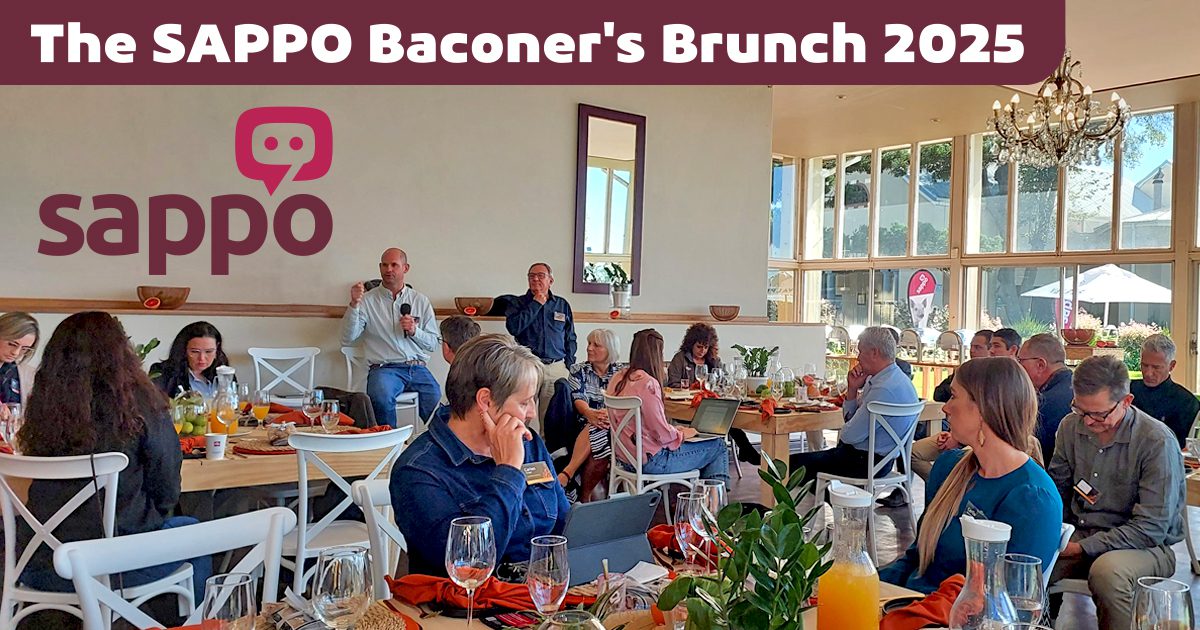
On 8 May 2025, leaders from across the pork industry gathered at the Pretoria Country Club for the highly anticipated Baconer’s Brunch, hosted by the South African Pork Producers’ Organisation (SAPPO). The event brought together economists, animal welfare experts, nutritionists, marketers, farmers, and media for a morning of open discussion, trend analysis, and a shared commitment to the future of pork in South Africa.
Beyond the Bacon: What the 2025 Baconer’s Brunch Revealed About the Future of Pork in South Africa
On 8 May 2025, leaders from across the pork industry gathered at the Pretoria Country Club for the highly anticipated Baconer’s Brunch, hosted by the South African Pork Producers’ Organisation (SAPPO). The event brought together economists, animal welfare experts, nutritionists, marketers, farmers, and media for a morning of open discussion, trend analysis, and a shared commitment to the future of pork in South Africa.
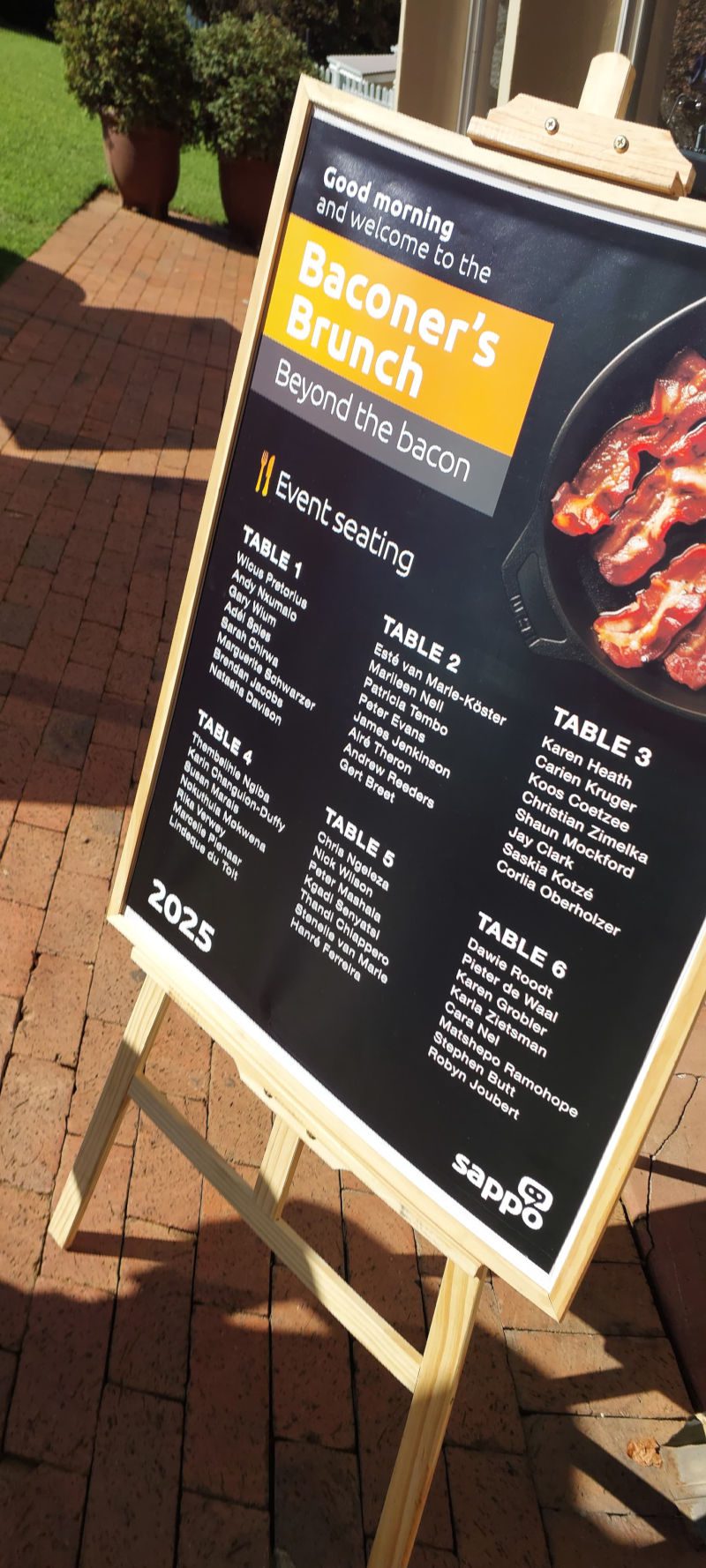
Themed Beyond the Bacon, this annual media day delivered much more than sizzling strips on a plate, it offered a thoughtful and multi-faceted look at an industry in transformation.
Taste, Home, and the Overwhelmed Consumer
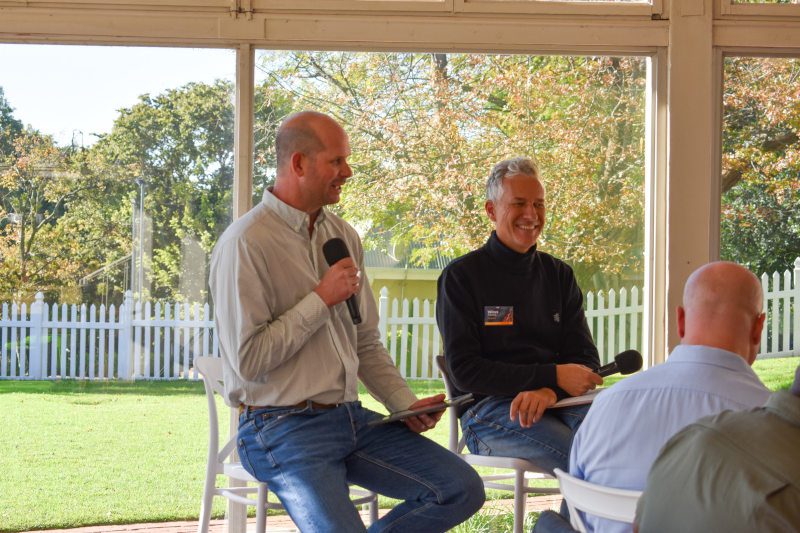
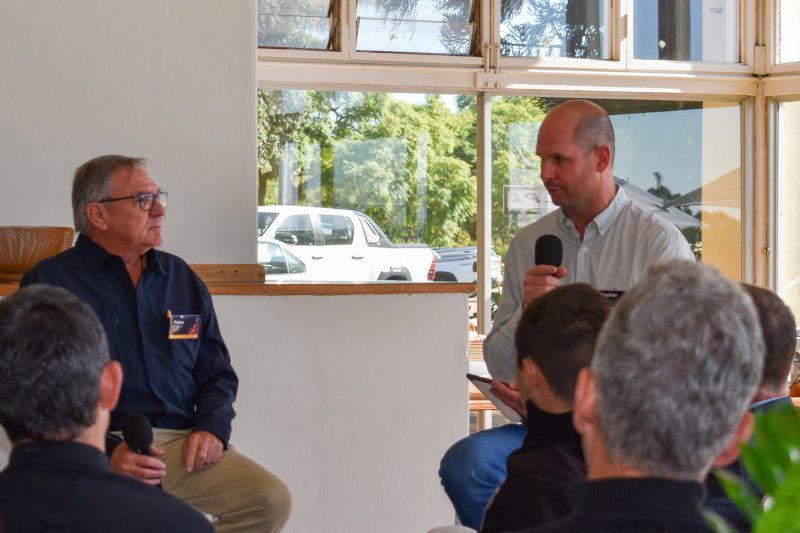
Wikus Pretorius, editor in chief at Media 24 of painted a vivid picture of the modern South African household and their current spending habits. With the pace of life accelerating, more consumers are choosing to eat at home, not just for cost, but for health and simplicity. Informed eating is on the rise, and pork has an opportunity to thrive if positioned correctly.
“Pork isn’t just affordable,” he said. “It’s nutritious, versatile, and relevant.” He addressed the lingering myths around pork and health, and encouraged the industry to reframe pork alongside chicken as a staple source of quality protein. Breaking the stigma of overcooked pork and highlighting its safety and nutrient value must be central to the pork narrative.
Giving Pork a Personality
Christian Zimelka, SAPPO’s Marketing Director, introduced a fresh approach to how pork is positioned to consumers. Rather than categorising cuts solely by price, SAPPO is developing narratives around each cut’s personality, premium, everyday, or value.
“We’re not just selling pork. We’re matching moments,” Christian said. From pork belly as the weekend indulgence to shoulder roasts as the slow-cooked family favourite, the strategy aims to connect emotionally and culturally with how people really eat.
Rethinking Fat: The Tim Noakes Foundation
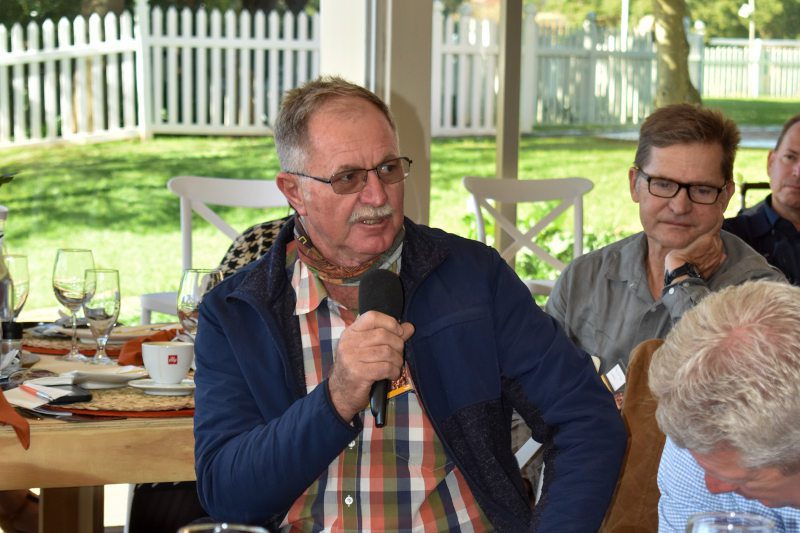
Karen Heath, from the Tim Noakes Foundation, challenged long-standing dietary assumptions. Advocating for high-fat, low-carb lifestyles, she argued that pork fat, once vilified, has a vital place in healthy diets.
Referencing Nina Teicholz’s The Big Fat Surprise, she called on attendees to re-evaluate the role of fat in nutrition. Pork offers both high-quality protein and beneficial fats, making it ideal for athletes and health-conscious consumers. With personalised nutrition on the rise, pork has an opportunity to meet new performance and wellness goals.
Welfare, Genetics, and the Global Context
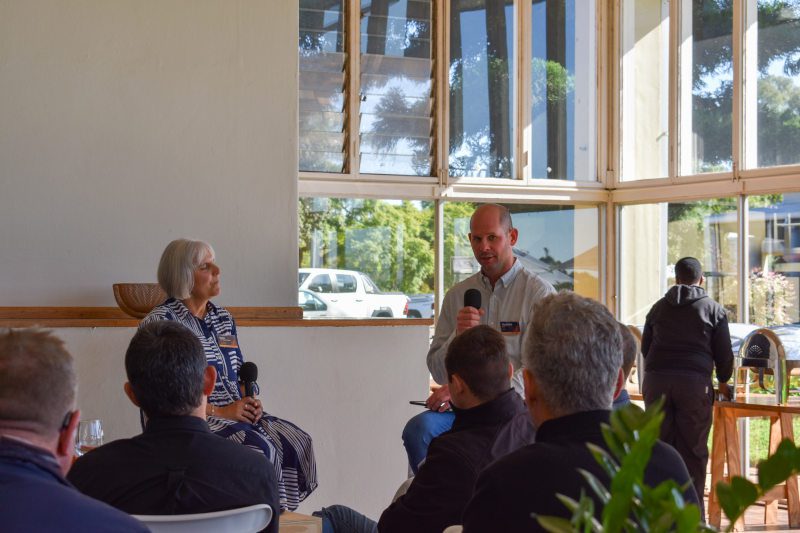
Este van Marle-Köster from the University of Pretoria contextualised South Africa’s place in the global welfare conversation. European regulations are becoming stricter, and local consumers are beginning to demand similar transparency.
South Africa’s production environment is unique, requiring specific genetic solutions to match local climates and systems. Transitioning to group sow housing is economically advantageous, but only if paired with the right genotypes. Welfare progress is coming, but it must be tailored, not copy-pasted.
A Regulatory Framework in Motion
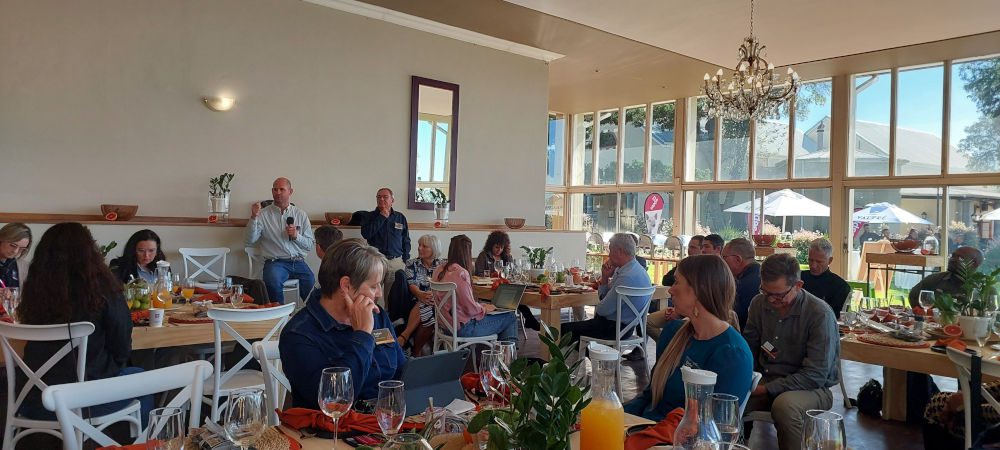
Attendees were treated to a delicious, pork themed breakfast.
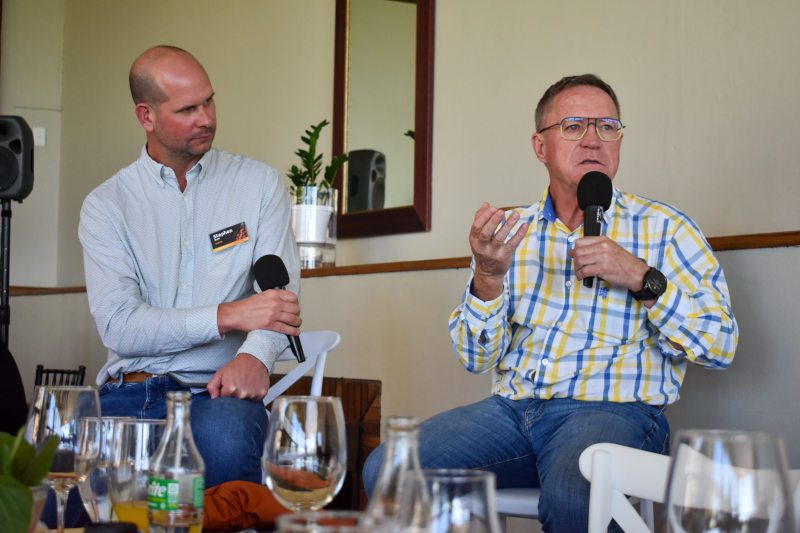
Dr Peter Evans, SAPPO’s head of regulatory affairs, explained the complexities of legislation. The current Animal Protection Act, dating from the 1960s, provides no formal regulations for livestock welfare. The NSPCA conducts inspections without a defined framework.
But change is on the way. A new bill, developed in collaboration with the Department of Agriculture and the University of Pretoria, is now being lobbied under the Animal Law Project. It promises clearer welfare standards, though Peter noted that in a country as diverse as South Africa, one-size-fits-all remains a challenge. SAPPO’s own Pork 360 programme already sets a benchmark for responsible welfare, especially in the crucial first four weeks of sow gestation.
Peter also addressed the impact of urbanisation. With fewer consumers growing up around livestock, SAPPO is committed to telling authentic stories that reveal the heart and care behind pork farming.
Trade, Biosecurity, and Local Integrity
International trade pressures were a key talking point. Under the Trump administration, the U.S. is pushing hard to export American pork to South Africa, despite PRRS (Porcine Reproductive and Respiratory Syndrome) being present in the U.S. but not in SA, New Zealand, Chile or Scandinavia at this time and the financial implications that could cause our pork industry.
SAPPO is pro-trade but insists that biosecurity must come first. The potential risk to local herds is too great to ignore. At the same time, retaliatory dynamics in trade, such as pressure on citrus exports, make this a highly sensitive issue. SAPPO continues to engage government and trade role-players to ensure science and foresight lead decision-making.
Organic Labels and Consumer Clarity
A question from the floor opened a discussion on organic pork farming. Experts agreed it is technically possible, but economically and logistically challenging. Organic feed, especially grain and maize, is up to five times more expensive, and soya is rarely organic in South Africa. Unlike “free range,” the term “organic” is governed by formal standards and certification.
Consumers need clarity: organic is not a marketing term; it’s a regulated production method based on what animals eat and how they’re raised. And the term usage is up to the regulatory board and how they classify organic meat production.
Responsible Use of Antibiotics
Another point of reassurance came from the Pork 360 framework: antibiotics in pork production are only administered by veterinarians and fully recorded. They are never used for growth promotion, and their usage is tracked with full transparency. This is part of SAPPO’s proactive stance on antimicrobial resistance and food safety.
Supporting Small-Scale Farmers
Thembelihle Ngiba, from SAPPO’s Business Development team, shared how the organisation is supporting emerging and small-scale pig farmers. From introducing them to input suppliers and genetics, to providing education around biosecurity and sustainability, SAPPO’s field visits are helping farmers unlock potential they haven’t previously accessed.
Feed access and affordability remain challenges in many areas, but SAPPO is working directly with farmers to improve supply chains and drive transformation from the ground up.


Big Picture Thinking: Dawie Roodt
Dawie Roodt, Chief Economist at the Efficient Group, provided a macro lens. Despite the country’s sluggish economic growth of under 1.5%, the pork industry is growing — a sign of its adaptability.
He identified four major trends to watch economically:
- Education, as the internet unlocks new learning channels, how we are learning is changing.
- Personalised medicine, which could influence future livestock health practices as the creation of medical solutions is becoming more tailored to individuals and cases.
- Blockchain and finance, easing payment systems and improving access for small farmers could revolutionise farming in the future.
- Global services, where skills, not location, will define economic opportunity. How can an individual within the pork industry position themselves as a service provider of value in the pork industry.
Farming, Roodt argued, must become more corporate, but not at the cost of care. Technology and skills development are no longer optional; they are the bedrock of survival and economic growth.
Final Word: The Soul of Farming
The SAPPO Chairman , James Jenkins closed the morning with a simple truth: “Our farmers run businesses, but they are also caretakers. They look after animals and people and that care must remain, even as the industry grows more corporate.”
At its heart, the Baconer’s Brunch was more than a media day. It was a reminder that the pork industry, like all good food, must be rooted in purpose, integrity, and shared progress.
Our thanks to SAPPO.
Thank you to all involved in the organisation and hosting of the event. As pork farmers and pork retailers, the insight and thoughtful approach to the industry as a whole from SAPPO creates an aura of positivity and accreditation to the passion of all involved in the pork industry.
Events such as this enable us to learn from the greater pork community as well as assess trends within the pork industry that enables us to better understand our market, as we endeavour to change the way you enjoy your pork.
Our Newsletter
Be the first to know about our latest specials and offerings. We promise not to send you more mails that aren’t worth reading.